
Digoxin
________________________________________________________________________
KEY POINTS
- Digoxin is a medicine used to treat heart failure and irregular heart rhythms. Digoxin may help the heart muscle pump better and help you have a normal heartbeat.
- Make sure you know how and when to take your medicine. Do not take more or less than you are supposed to take.
- Ask your healthcare provider or pharmacist what side effects the medicine may cause and what you should do if you have side effects.
________________________________________________________________________
What is digoxin?
Digoxin is a medicine used to treat heart failure and irregular heart rhythms, like atrial fibrillation.
How does it work?
Heart failure happens when the heart muscle is weak and cannot pump enough blood to the rest of the body. Digoxin may help the heart muscle pump better. This makes it easier for the heart to pump blood to the rest of the body. Digoxin can help some people with heart failure feel better.
Digoxin can also slow electrical signals that control your heartbeat. If you have a fast heartbeat or irregular heart rhythm, there is more stress on the heart muscle. This medicine can help you have a normal heartbeat.
What else do I need to know about this medicine?
- Follow the directions that come with your medicine, including information about food or alcohol. Make sure you know how and when to take your medicine. Do not take more or less than you are supposed to take. Don’t stop taking this medicine without your healthcare provider’s approval.
- It is likely that you will get your blood level of digoxin checked as often as directed by your healthcare provider. Too high a level can cause unwanted effects, and too low a level means that the medicine may not work well for your condition.
- Many medicines have side effects. A side effect is a symptom or problem that is caused by the medicine. Ask your healthcare provider or pharmacist what side effects the medicine may cause and what you should do if you have side effects.
- Try to get all of your prescriptions filled at the same place. Your pharmacist can help make sure that all of your medicines are safe to take together.
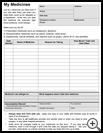
- Keep a list of your medicines with you. List all of the prescription medicines, nonprescription medicines, supplements, natural remedies, and vitamins that you take. Tell all healthcare providers who treat you about all of the products you are taking.
If you have any questions, ask your healthcare provider or pharmacist for more information. Be sure to keep all appointments for provider visits or tests.
