
Diuretics
________________________________________________________________________
KEY POINTS
- Diuretics are medicines used to get rid of extra water and salt through your urine.
- Make sure you know how and when to take your medicine. Do not take more or less than you are supposed to take.
- Ask your healthcare provider or pharmacist what side effects the medicine may cause and what you should do if you have side effects.
________________________________________________________________________
What are diuretics used for?
Diuretic medicine helps your body get rid of extra water and salt through your urine. Diuretics are also called water pills. They may be used alone or with other medicines to treat:
- High blood pressure
- Some types of heart disease, such as heart failure
- Severe swelling in the legs or feet
- Glaucoma, which is caused by fluid buildup in the eye
- Some types of kidney and liver disease
These medicines may be used for other conditions as determined by your healthcare provider.
There are several different diuretics. Which diuretic is best for you depends on your condition and health.
How do they work?
Diuretics work in the kidneys to help your body get rid of salt (sodium) and extra water. Removing extra water helps your blood pressure go down. When blood pressure is lower, the heart doesn’t have to work as hard to pump blood to the rest of the body. Diuretics also reduce the symptoms of fluid buildup. This means less swelling in your legs or belly, and less shortness of breath.
What else do I need to know about this medicine?
- Follow the directions that come with your medicine, including information about food or alcohol. Make sure you know how and when to take your medicine. Do not take more or less than you are supposed to take.
- Many medicines have side effects. A side effect is a symptom or problem that is caused by the medicine. Ask your healthcare provider or pharmacist what side effects the medicine may cause and what you should do if you have side effects.
- Diuretics may make you urinate more often. Talk to your healthcare provider about when the best time is to take your medicine so that you do not have to get up to urinate when you are sleeping.
- Some diuretics change the way your body uses potassium. Ask your healthcare provider about this and if your medicine is one of these. You may need blood tests to check your potassium level.
- Diuretics may make it easier for you to lose too much fluid and get dehydrated. Talk to your healthcare provider about the precautions that you should take while being treated with this medicine.
- Talk to your healthcare provider if you need to change how much you eat or drink, such as before a test or a procedure. Ask if you need to change the way you take your medicines that day.
- Try to get all of your prescriptions filled at the same place. Your pharmacist can help make sure that all of your medicines are safe to take together.
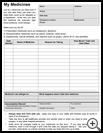
- Keep a list of your medicines with you. List all of the prescription medicines, nonprescription medicines, supplements, natural remedies, and vitamins that you take. Tell all healthcare providers who treat you about all of the products you are taking.
If you have any questions, ask your healthcare provider or pharmacist for more information. Be sure to keep all appointments for provider visits or tests.
