
Heart Disease: Overview
________________________________________________________________________
KEY POINTS
- Heart disease is the leading cause of death in the US in both men and women.
- Your healthcare provider will treat you based on your symptoms, your history, and your diagnosis. You may need medicine, a procedure to open a blocked blood vessel, a pacemaker, or heart surgery.
- Follow your healthcare provider’s advice about exercising, eating a healthy diet, watching your weight, not smoking, and checking your blood pressure.
________________________________________________________________________
What is heart disease?
Heart disease is the leading cause of death in the US in both men and women. There are several kinds of heart disease. The most common types are:
- Coronary artery disease (CAD). Blood vessels that carry blood and oxygen to the heart muscle are called coronary arteries. Fatty deposits called plaque may build up in the blood vessels and make them narrower (atherosclerosis). The narrowing decreases blood flow to the heart. The plaque may break open and cause a clot to form in the blood vessel. A heart attack can happen when the heart muscle needs more oxygen than the blood vessels can provide because of narrow arteries or clots.
If the blood flow is blocked too long, part of the heart muscle dies and cannot pump blood to the rest of the body as well as it should. Too much damage to the heart can cause death.
Some heart attacks are diagnosed by changes on an electrocardiogram (ECG or EKG), a test that shows the electrical activity of the heart, and by a lab test that shows changes in the amount of certain proteins in your blood (troponin and creatine kinase). If you have just EKG changes, it may be called unstable angina.
- Angina. Chest pain (angina) is a feeling of tightness, squeezing, or discomfort in your chest. It happens when your heart does not get enough oxygen-rich blood because of narrow arteries or clots. Chest pain may be a warning sign of a heart attack.
- Arrhythmia. An arrhythmia is an abnormal heart rhythm. Your heart may beat faster or slower than normal, or it may skip beats. Any abnormal heart rhythm may make it harder for the heart to pump enough blood to your body. You may have an arrhythmia if:
- The electrical signals don’t follow the normal path through the heart
- The nerve cells, which make the electrical signals, don’t work right
The 2 main types of arrhythmias are:
- Atrial arrhythmia: The electrical signals don’t start in the usual place in the upper right heart chamber (atrium) and don’t travel normally. This can cause part or all of the heart to beat very fast and in an abnormal pattern.
- Ventricular arrhythmia: The abnormal rhythm starts in the lower chambers of the heart (ventricles). The heart beats in a rhythm that may be irregular or very fast. If severe and untreated, it can be life threatening.
- Cardiomyopathy. The heart muscle gets weak, big and thick, or stiff. This can weaken the heart and make it hard for the heart to pump blood to the body.
- Heart failure (HF). HF means the heart is not pumping blood as well as it should. It may pump at a different rate, pump blood with less force, or pump less blood with each heartbeat. When less blood is flowing out of the heart to the body, muscles and other tissues may not get enough oxygen. The kidneys and lungs may not work well to remove excess fluid. Too much fluid in the body puts more strain on the heart.
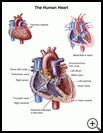
- Heart valve problems. Heart valves direct the flow of blood through the heart to the rest of the body. A valve may leak or stop working because it is damaged by disease or because it was abnormal at birth. Valves that don't work right make your heart work harder.
What is the cause?
Heart disease is caused by a mix of lifestyle choices, current or past illnesses, and inherited conditions. You can change or control some of these risk factors including diet choices, weight, exercise, and smoking.
Your healthcare provider may not always know the cause of your heart disease.
Your risk may be higher if you:
- Smoke, use alcohol, or use drugs such as cocaine
- Are overweight
- Don’t get enough exercise
- Have high levels of cholesterol
- Have high blood pressure
- Have diabetes, thyroid disease, or other long-term diseases
- Had rheumatic fever or other infections that affected your heart
- Have a family history of heart disease
- Were born with a problem with your heart valves, blood vessels, or electrical pathways
What are the symptoms?
You may have symptoms of heart disease years before you have major heart problems. The signs of heart disease are not the same for everyone, and symptoms can be a lot like symptoms of other problems. Here are some common warning signs and symptoms:
- Chest pain
- Shortness of breath, especially with activity
- Swelling in the legs and feet
- Pain in your calf muscles when you are walking
If you pay attention to these signs of heart and blood vessel disease and see your healthcare provider, you may prevent a serious problem later.
Call 911 for emergency help right away if you have symptoms of a heart attack. The most common symptoms include:
- Chest pain or pressure, squeezing, or fullness in the center of your chest that lasts more than a few minutes, or goes away and comes back (may feel like indigestion or heartburn)
- Pain or discomfort in one or both arms or shoulders, or in your back, neck, jaw, or stomach
- Trouble breathing
- Chest pain that doesn’t go away after you have taken nitroglycerin as your healthcare provider prescribed
- Breaking out in a cold sweat for no known reason
You may also feel very tired, faint, or be sick to your stomach. Severe tiredness may start several days before your heart attack symptoms.
How is it diagnosed?
Your provider will ask about your personal and family medical history, examine you, and do tests to check for heart disease. Which tests you have depends on your symptoms, risk factors, and history of heart problems.
How is heart disease treated?
The treatment for heart disease depends on its cause, your symptoms, and any other health problems you may have. Follow your healthcare provider's recommendations about lifestyle changes that may help lower your risk of heart attack or other problems caused by heart disease.
Treatment may include:
- Medicines to help control your heart beat and blood pressure
- An angioplasty or surgery to open blocked arteries
- A pacemaker to treat fast, slow, or irregular heart rhythms
- Surgery to repair a damaged valve, or for serious disease, a heart transplant
How can I prevent heart disease?
For all types of heart disease prevention and treatment, it is important for you to:
- Take care of your health. Try to get at least 7 to 9 hours of sleep each night. Eat a healthy diet and try to keep a healthy weight. If you smoke, try to quit. If you want to drink alcohol, ask your healthcare provider how much is safe for you to drink. Learn ways to manage stress. Exercise according to your healthcare provider's instructions.
- Treat and control medical conditions such as diabetes, high blood pressure, and high cholesterol. Get cholesterol and blood pressure screening tests as recommended by your healthcare provider.
- If you are a woman taking hormone replacement therapy, talk with your healthcare provider about the risks and benefits. Hormone replacement therapy may increase the risk for heart disease or stroke.
- Taking a low-dose aspirin every day may help prevent a heart attack or stroke. Not everyone should take aspirin. Ask your healthcare provider if you should take aspirin and if so, how much to take.
- See your healthcare provider if you have a sore throat or if you have been exposed to strep throat. Treating strep throat infections with antibiotics can usually prevent rheumatic fever. Rheumatic fever can damage the heart, joints, brain, and skin.
- Protect yourself against infections by getting all recommended vaccinations.
