
Painful Sex
________________________________________________________________________
KEY POINTS
- A number of things can cause pain during sex such as hormonal changes, infection, injury, scarring, growths, or fear.
- Treatment depends on the cause of the pain and may include medicine, lubricants, counseling, or surgery.
- See your healthcare provider if you have itching, burning, pain, or other symptoms of irritation or infection.
________________________________________________________________________
What is painful sex?
During sex, you may have pain in your vagina or in the area around the vaginal opening. Even a gentle touch in this area may cause pain. You may want to have sex but avoid it because it hurts.
What causes pain during sex?
A number of different things can cause pain during sex.
Your vagina may feel dry and may have less vaginal wetness even when you are sexually aroused. Possible causes of vaginal dryness are:
- A lack of natural moisture resulting from not enough foreplay
- Hormonal changes, such as those that happen during breast-feeding or with menopause
- Fear of getting pregnant or being hurt
- Having sex after a long time of not having sex, or having sex for the first time
Pain in the vaginal area may be caused by:
- Infection
- Irritation from soaps, spermicides, or other chemicals
- Thinning or thickening of the skin around the vaginal opening
- Bartholin's gland cyst, which is a swelling of a gland near the opening of the vagina
- Scarring of tissues from a pelvic infection, childbirth, or surgery
- Injury to the vaginal area
- Fear or nervousness that causes your vaginal muscles to spasm or tighten can make the opening of the vagina smaller. The penis may not be able to go into the vagina.
Pain deep inside your vagina during intercourse can be caused by:
- An awkward position during sex or movements that are too forceful
- Bladder that is too full
- Infection or injury of the bladder, vagina, or pelvis
- Growths or scar tissue in the uterus or outside the uterus
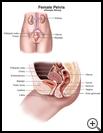
- Prolapsed (fallen) uterus, meaning the uterus has dropped or moved from its normal position down into your vagina
How is it diagnosed?
Your healthcare provider will ask about your symptoms and medical history and examine you. You may have a pelvic exam and tests to look for infection or other problems.
How is it treated?
Treatment depends on the cause of the pain. For example:
- Your healthcare provider may prescribe medicine to treat an infection or lessen pain.
- You may need to stop using spermicide or douches that cause irritation.
- If vaginal dryness is the cause, your healthcare provider may recommend using a vaginal lubricant. Lubricants, such as K-Y Jelly, can help you have less irritation, less pain, and fewer tears of vaginal tissue. You can buy lubricants at the drugstore.
- You can use hormone medicine to replace some of the estrogen hormone that decreases after menopause. Hormone therapy may lessen the symptoms of menopause that cause painful sex, such as vaginal dryness. There are some risks with hormone therapy. For example, it may increase your chances of getting some forms of cancer, heart disease, or other medical problems. Discuss the benefits and risks of hormone therapy with your healthcare provider.
- If you tighten the muscles of your vagina just before sex, doing Kegel exercises (tightening then relaxing your vaginal muscles) can help. Your healthcare provider may also recommend that you use a series of tools called dilators to gradually widen the opening of your vagina.
Other possible treatments may be counseling or surgery.
How can I take care of myself?
- If you have itching, burning, pain, or other symptoms of irritation or infection, see your healthcare provider. Follow the treatment prescribed or recommended by your provider.
- Use a water-based vaginal lubricant when you have sex.
- Avoid using soap, spermicide, or other chemicals that can irritate the skin of the genital area.
- Talk to your partner about what might help to make sex more comfortable.
- If mental or emotional problems are part of the problem, see a therapist or counselor. Several kinds of therapy can help with sexual problems.
