
Pheochromocytoma
________________________________________________________________________
KEY POINTS
- A pheochromocytoma is a rare kind of tumor in one or both adrenal glands. The tumor makes too many of the hormones that increase blood pressure and heart rate.
- Surgery to remove all or part of one or both adrenal glands is the most common treatment. If the tumor is cancer, treatment may include chemotherapy or radiation therapy.
- Follow the full course of treatment prescribed by your healthcare provider. Ask your provider how long it will take to recover and how to take care of yourself at home.
________________________________________________________________________
What is a pheochromocytoma?
A pheochromocytoma is a rare kind of tumor in one or both adrenal glands. Rarely, tumors may also be in other parts of the body.
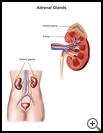
Your adrenal glands are located near the top of each kidney. They make several different hormones that help control body functions such as blood pressure, and the levels of water, salt, and minerals in your body.
The tumor makes too many of the hormones that increase blood pressure and heart rate. The high level of these hormones can cause strokes, sudden death, heart attacks, abnormal heart rhythm, or heart failure.
Most pheochromocytomas are benign. Benign tumors are not cancer and do not spread to other parts of your body.
What is the cause?
The cause of pheochromocytoma is not known. It may be inherited, which means that it is passed from parents to children through their genes. Genes are inside each cell of your body. They contain the information that tells your body how to develop and work.
What are the symptoms?
The tumor may not cause any symptoms. If you do have symptoms, they may happen several times a day or only once a month. The symptoms may last only a few seconds or for hours. The most common symptoms that happen along with high blood pressure include:
- Severe headache
- Fast or irregular heartbeat
- Sweating
- Pale skin
- Anxiety
- Abdominal pain
- Chest pain
- Weight loss
- High blood pressure
- Feeling dizzy or lightheaded especially right after standing up
- Trouble sleeping
Symptoms usually come and go. You may have symptoms several times a day or weeks apart. These symptoms will happen more often and will get worse as the tumor grows.
How is it diagnosed?
Your healthcare provider will ask about your symptoms and medical history and examine you. Tests may include:
- Blood and urine tests
- CT scan, which uses X-rays and a computer to show detailed pictures of the organs and tissues inside the body
- MRI, which uses a strong magnetic field and radio waves to show detailed pictures of the organs and tissues inside the body
- Nuclear scan, which uses a small amount of radioactive chemical injected into your blood to make detailed pictures of any tumors
- PET scan, which is a series of detailed pictures taken after your healthcare provider injects a small amount of radioactive chemical into your blood
- A biopsy, which is the removal of a small sample of tissue for testing
How is it treated?
Surgery to remove all or part of one or both adrenal glands is the most common treatment. To prepare for surgery, you will be treated for at least 7 days with medicines that block the effects of the substance made by the tumor. You may be in the hospital for a week or two. If both adrenal glands were removed, you may need to take medicines to replace the hormones made by the glands.
A few pheochromocytomas are cancer. If you have this type of tumor, possible treatments include:
- Chemotherapy (anticancer drugs), which uses medicine to kill cancer cells
- Radiation therapy, which uses high-energy X-rays to kill cancer cells and shrink tumors
Your healthcare provider will schedule checkups for several months after treatment.
How can I take care of myself?
Most people feel better after the tumor is removed. However, sometimes the tumor comes back.
Follow the full course of treatment prescribed by your healthcare provider. Ask your provider:
- How and when you will get your test results
- How long it will take to recover
- If there are activities you should avoid and when you can return to your normal activities
- How to take care of yourself at home
- What symptoms or problems you should watch for and what to do if you have them
Make sure you know when you should come back for a checkup. Keep all appointments for provider visits or tests.
Because pheochromocytoma may be inherited, your healthcare provider may advise you to have genetic tests or genetic counseling.
