
Aortic Aneurysm Repair
________________________________________________________________________
KEY POINTS
- Aortic aneurysmectomy and grafting is a procedure to repair or remove an aneurysm in the aorta before it tears. An aortic aneurysm is a weak spot in the wall of the large artery that carries blood from your heart to the rest of your body.
- This surgery may be done to keep an aneurysm from tearing. It may also be done to remove a ruptured aneurysm and repair the aorta.
- Ask your provider how long it will take to recover and how to take care of yourself at home.
________________________________________________________________________
What is an aortic aneurysmectomy and grafting?
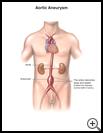
Aortic aneurysmectomy and grafting is a procedure to repair or remove an aneurysm in the aorta before it tears. An aortic aneurysm is a weak spot in the wall of the aorta. The aorta is the large artery that carries blood from your heart to the rest of your body. A normal aorta is about as wide as a garden hose. The aorta leads from the heart to the lower abdomen. Aneurysms cause the wall of the aorta to push out or bulge and can happen in your belly or in your chest.
If the aneurysm keeps getting bigger, the wall of the aorta may tear, causing internal bleeding. Because the aorta carries so much blood, a sudden tear is a medical emergency and is life threatening.
When is it used?
This surgery may be done to keep an aneurysm from tearing. It may also be done to remove a ruptured aneurysm and repair the aorta.
Ask your healthcare provider about your choices for treatment and the risks.
How do I prepare for this procedure?
- Make plans for your care and recovery after you have the procedure. Find someone to give you a ride home after the procedure. Your healthcare provider may not allow you to drive for several weeks. Allow for time to rest and try to find other people to help with your day-to-day tasks while you recover.
- You may or may not need to take your regular medicines the day of the procedure. Tell your healthcare provider about all medicines and supplements that you take. Some products may increase your risk of side effects. Ask your healthcare provider if you need to avoid taking any medicine or supplements before the procedure.
- Tell your healthcare provider if you have any food, medicine, or other allergies such as latex.
- Your healthcare provider will tell you when to stop eating and drinking before the procedure. This helps to keep you from vomiting during the procedure.
- Follow your provider's instructions about not smoking before and after the procedure. Smokers may have more breathing problems during the procedure and heal more slowly. It’s best to quit 6 to 8 weeks before surgery.
- Follow any other instructions your healthcare provider gives you.
- Ask any questions you have before the procedure. You should understand what your healthcare provider is going to do. You have the right to make decisions about your healthcare and to give permission for any tests or procedures.
What happens during the procedure?
You will be given a general anesthetic to keep you from feeling pain. General anesthesia relaxes your muscles and puts you into a deep sleep.
Depending on where the aneurysm is located, the surgeon can make a cut (incision) in your belly or chest. A manmade graft is then used to repair or replace the weak area of the aorta wall. The healthcare provider will then close the cut in your belly or chest.
In some cases, your surgeon can make a small incision in the artery in your groin and place a stent inside your aorta to help prevent a tear.
What happens after the procedure?
You will stay in an intensive care unit until your condition is stable and then move to a regular room at the hospital. Your stay in the hospital may last several days, depending on your condition.
Follow your healthcare provider's instructions. Ask your provider:
- How long it will take to recover
- If there are activities you should avoid and when you can return to your normal activities
- How to take care of yourself at home
- What symptoms or problems you should watch for and what to do if you have them
Make sure you know when you should come back for a checkup. Keep all appointments for provider visits or tests.
What are the risks of this procedure?
Every procedure or treatment has risks. Some possible risks of this procedure include:
- You may have problems with anesthesia.
- You may have infection, bleeding, or blood clots.
- Other parts of your body may be injured during the procedure.
- Risk of a heart attack during the operation increases if there is plaque (fatty buildup) in the blood vessels to the heart.
Ask your healthcare provider how these risks apply to you. Be sure to discuss any other questions or concerns that you may have.
