
Ablation Treatment of Heart Rhythm Problems
________________________________________________________________________
KEY POINTS
- Ablation is a procedure that uses energy delivered through a catheter to the inside of the heart to treat heart rhythm problems.
- You may be able to go home the same day or you may need to stay in the hospital for a few days after the procedure. Ask your provider how long it will take to recover and how to take care of yourself at home.
- Make sure you know what symptoms or problems you should watch for and what to do if you have them.
________________________________________________________________________
What is ablation?
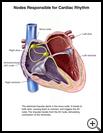
Ablation is a procedure that may be done to treat heart rhythm problems. It uses a small tube called a catheter to deliver energy to the inside of the heart. The energy (usually radio waves) scars small areas of heart tissue. The scars block abnormal electrical pathways in the heart and help you have a normal heart rhythm.
Other terms for this procedure are radiofrequency ablation and cardiac ablation.
When is it done?
Ablation may be done when abnormal pathways in the heart carry electrical signals that make the heart beat too fast or irregularly. The abnormal heart rhythm (arrhythmia) can be caused by many things, including problems with the heart valves, coronary artery disease, heart failure, drug use, and some medicines, or the cause may not be known.
Ask your healthcare provider about your choices for treatment and the risks.
How do I prepare for this procedure?
- Make plans for your care and recovery after you have the procedure. Find someone to give you a ride when you are ready to go home after the procedure. Allow for time to rest and try to find other people to help with your day-to-day tasks while you recover.
- You may or may not need to take your regular medicines the day of the procedure. Tell your healthcare provider about all medicines and supplements that you take. Some products may increase your risk of side effects. Ask your healthcare provider if you need to avoid taking any medicine or supplements before the procedure.
- Tell your healthcare provider if you have any food, medicine, or other allergies such as latex.
- Follow your provider's instructions about not smoking before and after the procedure. Smokers may have more breathing problems during the procedure and heal more slowly. It is best to quit 6 to 8 weeks before surgery.
- Your healthcare provider will tell you when to stop eating and drinking before the procedure. This helps to keep you from vomiting during the procedure.
- Follow any instructions your healthcare provider may give you.
- Ask any questions you have before the procedure. You should understand what your healthcare provider is going to do. You have the right to make decisions about your healthcare and to give permission for tests or procedures.
What happens during the procedure?
The procedure is done at the hospital or an outpatient clinic.
You will be given medicine to keep you from feeling pain during the procedure. Usually a local anesthetic is given to numb the area where the catheter is inserted, along with medicine to help you relax.
Your healthcare provider will put a long, thin, flexible tube (catheter) through a blood vessel in your groin or neck and into your heart. Your provider will aim the tip of the catheter at the abnormal area and energy will be delivered to that part of your heart. Your heart will form small scars in this area. This will cause the electrical activity of the heart to take a different path around the scars and help your heart have a normal rhythm.
In some cases you may also need a pacemaker. A pacemaker is an electronic device put under the skin of your chest to help control the heartbeat.
What happens after the procedure?
You may be able to go home the same day or you may need to stay in the hospital for a few days after the procedure.
Some people don’t need any more treatment after ablation, but sometimes the heart rhythm problem comes back and the ablation may need to be done again.
You may need to take different heart medicines after the procedure.
What are the risks of this procedure?
Every procedure or treatment has risks. Some possible risks of this procedure include:
- The catheter may cause bleeding where it is put into the vein.
- The catheter might hurt the blood vessels or heart muscle or damage the heart’s electrical system.
- Blood clots may cause a heart attack or stroke.
- Sometimes the procedure may affect blood vessels that move blood between the lungs and heart, causing trouble breathing.
Ask your healthcare provider how these risks apply to you. Be sure to discuss any other questions or concerns that you may have.
