
Beta Blockers
________________________________________________________________________
KEY POINTS
- Beta blockers are medicines used to lower blood pressure, slow your heart rate, or lessen extra heartbeats.
- Make sure you know how and when to take your medicine. Do not take more or less than you are supposed to take.
- Ask your healthcare provider or pharmacist what side effects the medicine may cause and what you should do if you have side effects.
________________________________________________________________________
What are beta blockers used for?
Beta blockers slow your heart rate and lower your blood pressure. They can also help lessen extra heartbeats. Beta blockers are used to treat many health problems, such as:
- High blood pressure
- Irregular or fast heartbeat
- Heart disease
- Migraine headaches
- Glaucoma (as eye drops)
- Certain types of tremors
These medicines may be used for other conditions as determined by your healthcare provider.
There are several different beta blockers. Which beta blocker is best for you depends on your condition and health.
How do they work?
Beta blockers block the effects of the stress hormone epinephrine (adrenaline). Epinephrine makes the heart beat faster. By blocking epinephrine, beta blockers help the heart beat more slowly and with less force. This means that the heart does not have to work as hard. Some beta blockers also relax and open up blood vessels, which helps blood flow more easily through the blood vessels.
You may start with a low dosage of the medicine and slowly increase it over time. It may take a few months for your body to adjust to this medicine and get the full effect. After your body adjusts, you will feel better and you may have a lower risk of a heart attack, other heart problems, or sudden death.
What else do I need to know about this medicine?
- Follow the directions that come with your medicine, including information about food or alcohol. Make sure you know how and when to take your medicine. Do not take more or less than you are supposed to take. Don’t suddenly stop taking this medicine without your healthcare provider’s approval. Some conditions can get worse if you suddenly stop taking this medicine.
- Many medicines have side effects. A side effect is a symptom or problem that is caused by the medicine. Ask your healthcare provider or pharmacist what side effects the medicine may cause and what you should do if you have side effects.
- Try to get all of your prescriptions filled at the same place. Your pharmacist can help make sure that all of your medicines are safe to take together.
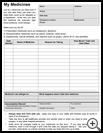
- Keep a list of your medicines with you. List all of the prescription medicines, nonprescription medicines, supplements, natural remedies, and vitamins that you take. Tell all healthcare providers who treat you about all of the products you are taking.
If you have any questions, ask your healthcare provider or pharmacist for more information. Be sure to keep all appointments for provider visits or tests.
