
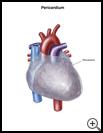
Pericarditis
________________________________________________________________________
KEY POINTS
- Pericarditis is swelling and irritation (inflammation) of the sac around the heart. This condition usually develops quickly and may last for months.
- Your provider may prescribe medicines to treat the cause of the pericarditis, such as antibiotics or antifungal medicine for an infection. You may need surgery to relieve the pressure on your heart.
- Follow the full course of treatment prescribed by your healthcare provider. Ask your provider what symptoms or problems you should watch for and what to do if you have them.
________________________________________________________________________
What is pericarditis?
Pericarditis is swelling and irritation (inflammation) of the sac around the heart. This sac is called the pericardium. This condition usually develops quickly and may last for months.
What is the cause?
The cause of pericarditis is not always known. Possible causes include:
- An infection caused by a virus, bacteria, fungus, or parasite
- Injury to the heart, such as from an accident
- Rheumatic fever, a disease caused by the same germ that causes strep throat
- An autoimmune disease that causes your body to mistakenly attack your own tissue, such as lupus and rheumatoid arthritis
Your risk is increased after heart attack, procedures on the heart, such as surgery or heart catheterization, or radiation treatments.
What are the symptoms?
Symptoms may include:
- Sharp chest pain that gets worse when you take a deep breath, swallow, lie flat, or cough
- Chest pain that gets better when you sit up or lean forward
- Fever
- Feeling tired
- Shortness of breath when lying down
How is it diagnosed?
Your healthcare provider will ask about your symptoms and medical history and examine you. Tests may include:
- Chest X-ray
- An ECG (also called an EKG or electrocardiogram), which measures and records your heartbeat
- Blood tests
- Echocardiogram, which uses sound waves (ultrasound) to see how well your heart muscle is pumping
- Tests to diagnose infection, such as blood cultures or a tuberculin skin test
- MRI, which uses a strong magnetic field and radio waves to show detailed pictures of your heart
How is it treated?
The treatment for pericarditis depends on its cause, your symptoms, and any other health problems you may have.
Your provider may prescribe medicines to treat the cause of the pericarditis, such as antibiotics or antifungal medicine for an infection.
Your healthcare provider may tell you to take nonsteroidal anti-inflammatory drugs (NSAIDs). These medicines help decrease the inflammation of the pericardium. NSAIDs, such as ibuprofen, naproxen, and aspirin, may cause stomach bleeding and other problems. These risks increase with age. Read the label and take as directed. Unless recommended by your healthcare provider, you should not take this medicine for more than 10 days. In some cases your healthcare provider may recommend other medicines if NSAIDs do not work well.
The space between the inner and outer layers of your pericardium may fill with excess fluid, which may put pressure on your heart and keep it from pumping blood properly. You may need a procedure to remove the fluid to help take pressure off your heart or to help diagnose the cause of the excess fluid.
If the inflammation lasts a long time, your pericardium may get scarred and stiff. The stiffness may keep your heart from filling with blood. This may cause a drop in blood pressure, trouble breathing, and swelling in your legs and feet. If this happens, you may need surgery to relieve the pressure on your heart.
How can I take care of myself?
Follow the full course of treatment prescribed by your healthcare provider. Ask your provider:
- How and when you will get your test results
- How long it will take to recover
- If there are activities you should avoid and when you can return to your normal activities
- How to take care of yourself at home
- What symptoms or problems you should watch for and what to do if you have them
Make sure you know when you should come back for a checkup.
