
Healthy Diet: Brief Version
________________________________________________________________________
KEY POINTS
- To stay healthy you need to have a healthy diet and get enough exercise. To have a healthy diet, make smart choices from every food group. Stay away from foods with cholesterol, saturated fat, trans fat, a lot of salt, or a lot of sugar.
- Read food labels to help you stay away from unhealthy foods. It can also help you choose foods that are good for you.
________________________________________________________________________
What is an easy way to know how much to eat?
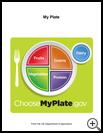
Take a 9-inch plate. Fill half of the plate with fruits and vegetables. Split the other half of the plate between starchy foods (like whole-wheat bread, brown rice, or potatoes) and protein foods like meat or beans. If you use this plate as your guide for each meal, it is easy to get the right amount of each food group every day.
How much should I eat?
To keep from eating too much, watch how many calories you eat. Calories are a way to measure energy. The number of calories you should eat each day depends on your age and how active you are. It also depends on if you are trying to gain or lose weight or stay at your current weight. If you want to lose weight, you need to eat fewer calories and get more exercise. Your body burns calories when you exercise.
What are healthy food choices?
Your should eat these foods every day:
Fruits and vegetables
Eat different kinds of fresh, frozen, canned, or dried fruits. Eating fruit is better than drinking fruit juice.
Eat healthy vegetables like:
- Green vegetables, such as broccoli, cabbage, and dark leafy greens
- Yellow, orange, and red vegetables, such as peppers, tomatoes, carrots, sweet potatoes, pumpkin, and squash.
Whole grains
Whole-grain cereals, breads, crackers, rice, or pasta are good choices. Look for products that list whole grains or whole wheat as one of the first ingredients.
Milk products
Drink 3 cups of low-fat or fat-free milk each day. Or you might have this much low-fat yogurt or low-fat cheese instead. If you don't or can’t drink cow's milk, choose lactose-free milk products or soy, almond, or rice milk that has extra calcium in it.
Protein
Get protein by eating small amounts of lean meats, poultry, and fish. Bake, broil, or grill instead of frying. Eat 8 to 12 ounces of fish a week. Try to use meat as a side dish. Put meat in a casserole or stew.
Get some of your protein from other foods, such as beans, peas, egg whites, nuts, and seeds. You can have a healthy diet without eating meat.
Healthy Fats
You can get healthy fats from small amounts of olive, canola, or other vegetable oils. You can also add small amounts of nuts, seeds, or avocados.
What foods are not healthy?
Some foods are not very healthy. Some can even cause disease if you eat them too often. You don't have to give up all sweet, salty, or fatty snacks. You just need to eat less of these foods. It's best not to keep them on hand. Save these foods for a special treat.
Stay away from foods with cholesterol, saturated fat, and trans fat.
Your blood vessels can build up fat and get too narrow. This can increase your risk of having a stroke or heart disease. Saturated fats and trans fats are less healthy than unsaturated fat. Here are a few ideas for eating less cholesterol and less saturated or trans fat:
- Have nonfat or low-fat milk or yogurt instead of whole milk.
- Choose lean cuts of meat.
- Take the skin off poultry before you eat it.
- Cook with small amounts of canola oil, olive oil, or soybean oil.
- Use less butter. It is healthier to use margarine that is labeled "no trans fatty acids."
- Eat fewer servings of meat or egg yolks. These foods have cholesterol, which can increase the risk for heart disease.
Eating the right fats is very important if diabetes, high cholesterol, or heart disease runs in your family.
Eat foods with less salt (sodium).
- Your body needs some salt to keep healthy. But it can be unhealthy if you use too much. It may make high blood pressure worse.
- Eat no more than 2,300 mg (milligrams) of sodium a day. That's equal to 1 teaspoon of salt. You should have no more than 1500 mg of sodium a day if:
- You are 51 or older.
- You have high blood pressure, diabetes, or kidney disease.
- You are African American.
- Read the labels on the food packages you buy. Check how much sodium is in the food.
- Taste food before you add salt to it at the table. Try adding other spices or herbs instead of salt.
Drink little or no alcohol.
When you drink too much alcohol, it can lead to many health problems. Women should have no more than 1 drink a day. Men should have no more than 2 drinks a day. A drink is 1 small glass of wine, 1 can of beer, or 1 shot of liquor.
Eat less sugar.
Foods that have a lot of sugar can give you many calories. They often don't give you what you need to keep healthy.
Read Food Labels
Food labels help you know about the calories and nutrition in a serving of food. Read food labels to help you stay away from unhealthy foods. It can also help you choose foods that are good for you.
- Keep saturated fats, trans fats, cholesterol, and sodium low.
- Get enough potassium, fiber, vitamins A and C, calcium, and iron.
Always look at the serving size listed on the label and think about how many servings you are really eating. For example, if a can of soup says that it is 2 servings, but you eat the whole can, then you get 2 times the amount of calories, fat, and salt that shows on the label.
How much exercise do I need?
To stay healthy you need to have a healthy diet and enough exercise. Try to exercise at least 30 minutes most days. If you are trying to lose weight or to keep a healthy weight, you may need to increase your total exercise time to 5 hours or more a week.
