
Eating Foods Low in Salt: Brief Version
________________________________________________________________________
KEY POINTS
- Salt is also called sodium. The right amount of salt helps your body work properly and keeps the right balance of fluids in your body.
- Too much salt can cause health problems.
- Cut back on salt by using less when you cook and choosing low-sodium products. Eat more fresh fruits and vegetables instead of canned or packaged foods.
________________________________________________________________________
Salt is also called sodium.
The right amount of salt helps your body:
- Keep the right balance of fluids in your body
- Send messages through your nerves
- Relax or tighten muscles
When you have too much salt in your diet, it makes your body hold on to water. This can cause swelling, and can make it harder for your heart to work. Eating too much salt also raises blood pressure. Eating a lot of salt also makes your body lose calcium in your urine. This can lead to brittle bones and kidney stones.
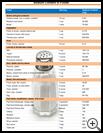
You should have no more than 2300 milligrams (mg) of sodium a day. That is about 1 teaspoon of salt. Some people should have less salt than that. Talk with your healthcare provider about the right amount of sodium for you.
The taste for salt is a habit. When you use less salt, your taste starts to change. After a while, food may taste better without salt.
Use less salt
There are 2 main ways to use less salt:
- Do not add salt to your foods.
- Choose foods that have less salt or sodium.
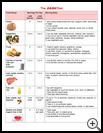
Read the labels on canned and prepared foods. Look for any form of salt or sodium. Baking soda, MSG, and baking powder have sodium, too. Don't eat foods high in salt, such as:
- Fast foods and restaurant foods
- Ketchup, mustard, pickles, and olives
- Soy sauce, steak or barbecue sauce, chili sauce, and Worcestershire sauce
- Bottled salad dressings
- Bouillon or broth
- Self-rising flour and biscuit mixes
- Cured meats or fish such as bacon, luncheon meats, and canned sardines
- Canned foods such as vegetables and soups
- Salty cheeses and buttermilk
- Salted nuts and peanut butter
- Salted crackers, chips, popcorn, and pretzels
- Salted margarine or butter
- Instant cooked cereals
- Boxed meals and frozen meals
You can get many of these foods with no or low salt. Read the labels.
Take care of yourself
Ask your healthcare provider before you try salt substitutes. Many salt substitutes have potassium. You may need to watch how much potassium you use.
Eat fresh foods as much as you can. Also, plain frozen fruits and vegetables usually do not have added salt.
Instead of salt, there are many kinds of things you can use to flavor your foods. Try herbs, spices, onions, garlic, tomatoes, vinegar, lemon or lime juice, or wine. Avoid spice blends that include salt, such as garlic salt.
Take time to plan and enjoy your meals. Food can taste good and help you stay healthy.
