
Keeping a Healthy Weight When You Have High Blood Pressure: Brief Version
________________________________________________________________________
KEY POINTS
- The higher your blood pressure, the greater your health risk.
- Losing 5 to 10% of your total body weight can decrease your health risks.
- Eat less fat, cholesterol, red meat, sweets, and salt. Eat more fruits, vegetables, whole grains, and other low-fat foods.
- Getting regular exercise can also help you lose weight.
________________________________________________________________________
A healthy weight helps lower your high blood pressure.
It's a good idea to lose 1 or 2 pounds a week until you get to a healthy weight. Losing even 5 to 10% of your weight will help. For example, if you weigh 200 pounds, losing 10 to 20 pounds may lower your blood pressure.
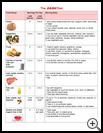
Make some changes in what you eat. Ask your provider about weight-loss classes, support groups, and how to eat right. You might want to try the DASH diet. It helps you:
- Eat less fat, cholesterol, red meat, sweets, and salt.
- Eat more fruits, vegetables, whole grains, and other low-fat foods.
Be careful about serving sizes and how many calories you eat. Here are some ways to judge healthy serving sizes:
- 1 cup of grains is about the size of your fist.
- 3 to 4 ounces of meat is the size of a deck of cards or the palm of your hand.
- 1 and 1/2 ounces of low-fat or fat-free cheese is the size of 4 stacked dice.
- 1 tablespoon is about the size of your thumb.
- 1 teaspoon is about the size of the tip of your thumb.
Getting regular exercise will also help you lose weight. Your healthcare provider can tell you what kind of exercise is best for you.
Here are other ways to help stay healthy.
- Always take your high blood pressure medicine.
- Check your blood pressure often.
- If you smoke, try to quit.
- Don't drink a lot of juice, soda, or alcohol.
